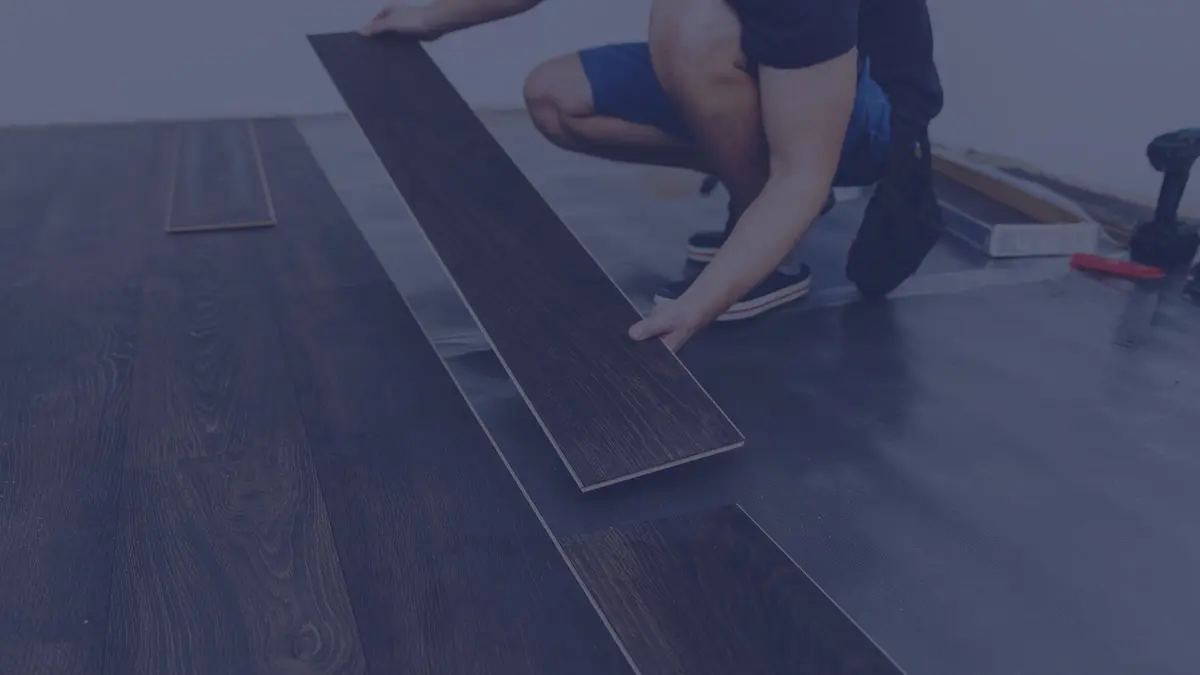
When units turn over, apartment flooring is one of the first things new residents notice—and one of the most common sources of move-in complaints if it’s not handled correctly. Scratched planks, uneven transitions, stained carpet, and leftover adhesive can quickly turn an otherwise clean and freshly painted unit into an issue that impacts tenant satisfaction and even renewals.
For property managers and maintenance teams already juggling tight schedules, managing flooring during apartment turns can feel like a balancing act between budget, time, and long-term durability. Fortunately, with the right approach, flooring doesn’t need to slow down operations or strain budgets. Strategic flooring repairs often solve issues faster and more affordably than full replacement, and they can extend the lifespan of existing materials without compromising quality.
Below are some of the most common flooring mistakes seen in multifamily turnovers, along with guidance on when to repair versus replace.
1. Replacing Floors That Could Have Been Repaired
One of the biggest and most expensive mistakes is immediately choosing full replacement when flooring repairs would have been enough. Many damaged floors—especially LVP—only have isolated scratches or a small number of affected planks. In these situations, repairing the damaged areas is often the faster and more cost-effective choice, particularly when the existing flooring SKU is still available and the subfloor is stable. Properties that take advantage of repairs instead of full replacement often see reduced vacancy times and lower annual flooring costs across their portfolios.
2. Using the Wrong Flooring for High-Traffic Units
Another mistake happens long before a turn even begins: choosing material based solely on price rather than durability. In high-turn communities such as student housing, military housing, and workforce apartments, low-quality flooring tends to wear out quickly and require ongoing maintenance. This leads to premature plank replacements, color fading, and frequent edge lifting. Selecting better-quality LVP with the proper wear layer not only decreases maintenance calls but also stretches flooring budgets when paired with a strategic flooring repairs program.
3. Not Inspecting or Prepping the Subfloor Before Installation
Even the best flooring installation will fail if the subfloor underneath is not properly inspected and prepped. Issues like uneven surfaces, soft spots, or moisture pockets can lead to hollow sounds, excessive floor movement, and adhesive failure. Taking a few extra minutes to evaluate the subfloor before installation prevents callbacks and ensures the floor holds up throughout the entire tenant cycle.
4. Failing to Standardize Apartment Flooring Colors and SKUs
Standardizing flooring across a property consistently proves to be one of the easiest ways to reduce turnover delays. When communities use multiple flooring SKUs, mismatched materials and unavailable planks slow down repairs, confuse inventory management, and create inconsistent appearances from unit to unit. Properties that commit to one or two approved SKUs simplify purchasing, speed up scheduling, and make flooring repairs far more predictable.
5. Waiting Too Long to Schedule Flooring During the Turn Process
Flooring should be scheduled early in the turnover sequence, but many properties delay the decision until late in the process. This creates ripple effects across every other vendor, from painting crews to cleaning teams. Flooring delays often push back the entire schedule and, in many cases, postpone the move-in date. Properties that pre-plan flooring based on upcoming move-outs almost always complete their turns faster and with fewer logistical challenges.
6. Overlooking Moisture Issues or Previous Water Damage
Moisture is one of the most damaging and overlooked issues in flooring installation. If moisture problems aren’t identified and corrected early, floors may begin lifting, adhesives may break down, and mold can develop underneath the surface. Repairs may still be an option when the damaged area is small, but widespread water issues usually mean replacement is the more responsible long-term decision. Understanding whether flooring repairs or full replacement is the right choice begins with a thorough inspection of moisture levels and any previous damage.
Flooring Repairs vs. Full Replacement: Making the Right Decision
Choosing between flooring repairs and full replacement is one of the most important—and most expensive—decisions during a unit turn. Making the wrong call leads to unnecessary spending, extended vacancy days, and avoidable rework. The following breakdown provides guidance that maintenance teams can apply quickly while also offering the data property managers need to justify decisions to ownership.
When Flooring Repairs Are the Better Choice
Flooring repairs are often underestimated, yet they can significantly reduce costs and downtime. Industry data shows that repairing isolated LVP plank damage can reduce project expenses by 40–70% compared to a full replacement. In addition, repairs can reduce the flooring portion of a unit turn from one full day of downtime to just a few hours, helping properties stay on schedule for move-ins.
Repairs make the most sense when the damage is limited, the existing flooring SKU is available, and the subfloor is structurally sound. For properties with tight turn schedules or limited budgets toward the end of the fiscal year, repairs can help stretch flooring life while still delivering a clean and presentable finish.
When Full Replacement Is the Better Long-Term Investment
There are situations where full replacement becomes not only necessary but more economical over time. Widespread water damage, multiple patched sections from previous turns, discontinued flooring SKUs, and heavy pet or tenant damage usually mean the flooring has exceeded its functional lifespan.
Industry averages show that properties performing repeated spot repairs on aging flooring spend 25–30% more over a two-year period than properties that choose full replacement at the appropriate time. Replacing flooring also helps maintain a consistent look across units, which improves resident satisfaction and reduces maintenance requests related to loose planks, uneven transitions, or recurring adhesive failures.
While replacement has a higher upfront cost, its longer lifespan and reduced service calls often make it the better long-term financial decision—especially for properties with high turnover or a strong focus on move-in experience.
Why Making the Right Flooring Decision Matters
Flooring is one of the top drivers of first impressions during move-ins. Research from the multifamily industry shows that flooring quality contributes to 20–30% of early resident satisfaction scores, directly influencing online reviews and renewal rates. When flooring is repaired or replaced strategically—based on the actual condition and expected lifespan—properties see fewer complaints, fewer emergency work orders, and less operational disruption during turns.
A well-informed flooring strategy also helps reduce unnecessary vacancy days. Every additional day a unit sits empty costs a property roughly $40–$90 in lost rent depending on market conditions. Making the right decision quickly—whether to repair or replace—helps prevent delays and protects NOI.
The Hidden ROI Behind Strong Apartment Flooring Management
Communities that take a proactive approach to flooring—not simply reacting during rush turnovers—consistently operate more efficiently and profitably. Flooring is one of the top five expense categories in the average multifamily budget, and poor planning can dramatically increase annual spend. Industry benchmarks show that inconsistent flooring decisions can raise turn costs by 12–18% per unit over the course of a year. When flooring is managed strategically, properties see fewer move-in complaints, smoother vendor coordination, and a noticeable reduction in rework caused by missed issues or rushed installations.
Strong flooring management also has a direct impact on equipment and labor efficiency. For example, crews performing scattered repairs across multiple units typically spend 30–40% more time mobilizing and demobilizing compared to properties with standardized materials and predictable scopes. This extra time not only increases labor costs but also slows down overall turn productivity. Meanwhile, properties with unified flooring SKUs experience faster install times, more accurate material forecasting, and fewer rescheduled vendor appointments—all of which contribute to a more reliable and cost-effective turn process.
Beyond operational savings, flooring quality has a measurable influence on a resident’s overall perception of the property. According to NMHC resident satisfaction surveys, flooring appearance influences between 20–30% of early satisfaction scores and is a top contributor to the first impression during move-ins. Units with clean, level, and consistent flooring tend to receive fewer service requests, fewer early move-out complaints, and higher online ratings. Properties with stronger satisfaction scores often achieve 2–6% higher renewal rates, reducing turnover and the costs associated with preparing additional vacant units.
In short, smart flooring planning is not just a maintenance decision—it’s an operations, financial, and resident satisfaction strategy. When property managers consistently evaluate flooring conditions, choose appropriate materials, and rely on data to decide between repairs and replacement, they protect both their budgets and their property’s reputation over time.
How Complete Apartment Care Supports Multifamily Flooring Needs
Complete Apartment Care provides flooring services designed specifically for multifamily turnovers, with an emphasis on speed, consistency, and quality. Our teams understand that flooring cannot delay a move-in, and we structure our work to support your schedule.
Our flooring services include:
- Full LVP removal and installation
- Glue-down LVP installation
- Flooring repairs and plank replacement
- Subfloor prep and leveling
- Seamless coordination with paint and clean teams
- Fast response times during peak season
- Service coverage across multiple Southeast markets
Whether you need rapid flooring repairs or a complete unit replacement, our teams help keep your turns on track and your residents satisfied.
Conclusion
Flooring does not need to become a source of stress during turnover season. With the right strategy—and the right partner—your property can eliminate unnecessary costs, shorten vacancy times, and deliver a consistently high-quality move-in experience.
If you're preparing for upcoming turns and need reliable, fast, and professional flooring repairs, Complete Apartment Care is ready to help. Contact our team today to schedule a walkthrough or request a proposal.